ICT-PEIRA Approves Regulatory Framework for Virtual Schools in Islamabad
New policy introduces registration, quality assurance, cybersecurity, teacher standards, and oversight for online schools up to Higher Secondary level.

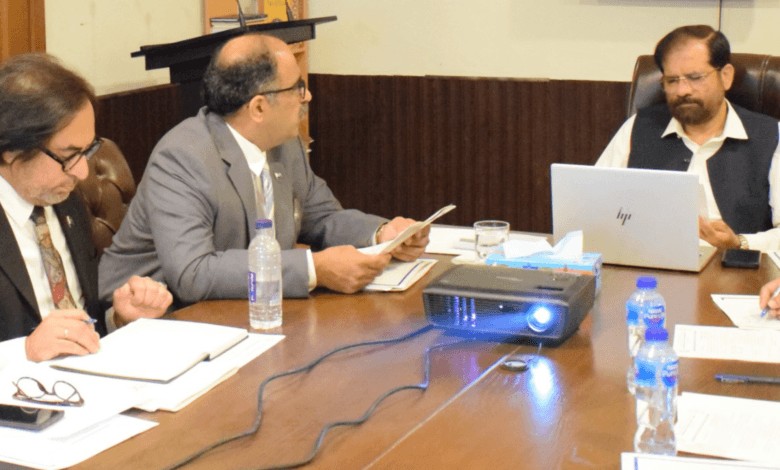
ISLAMABAD: The Islamabad Capital Territory Private Educational Institutions Regulatory Authority (ICT-PEIRA) has approved Pakistan’s first comprehensive regulatory framework for virtual schools in the federal capital, establishing a formal system for the registration, regulation, monitoring, and quality assurance of online educational institutions operating up to the Higher Secondary level.
The newly approved framework aims to expand access to quality education for out-of-school children, students living in remote areas, children with disabilities, working learners, and others unable to attend conventional schools due to geographical, financial, or physical barriers.
Under the policy, all virtual schools operating in Islamabad will be required to comply with strict quality assurance standards, including mandatory teacher training in digital pedagogy, secure Learning Management Systems (LMS), cybersecurity protocols, curriculum alignment with the National Curriculum, standardized assessments, student wellbeing safeguards, and continuous academic monitoring. ICT-PEIRA will also have read-only access to digital platforms to ensure regulatory compliance.
The framework establishes separate regulatory standards for primary, middle, secondary, and higher secondary virtual education, covering teacher qualifications, screen-time guidelines, practical learning arrangements, examination procedures, and institutional monitoring to ensure online education maintains standards comparable to conventional schools.
ICT-PEIRA Chairman Dr. Ghulam Ali Mallah described the approval as a major milestone in Pakistan’s digital education reforms, saying that while the Federal Board of Intermediate and Secondary Education (FBISE) has already been facilitating examinations for online students, a comprehensive regulatory framework was needed to ensure transparency, accountability, quality, and standardization.
He expressed hope that the policy would serve as a model for other provinces and regions seeking to regulate virtual education, adding that technology, when supported by appropriate safeguards, can significantly improve educational access and contribute to national literacy goals.
Dr. Mallah also acknowledged the Ministry of Federal Education and Professional Training for its continuous guidance and support in developing the framework, describing the policy as an important step toward evidence-based educational reforms and digital transformation.
According to ICT-PEIRA, the framework reflects the authority’s commitment to ensuring that innovation in education is supported by strong governance, quality assurance, and student protection while creating more inclusive and future-ready learning opportunities.