KP CM’s Last-Minute Conditions Derailed Talks, Talal Chaudhry Says
Minister of State for Interior Talal Chaudhry says government and opposition had reached broad agreement on political and security issues before last-minute disagreements involving the Khyber Pakhtunkhwa leadership ended the dialogue; PTI disputes the government’s account and says consultation on Imran Khan and a jointly formulated counterterrorism policy remained central to the deadlock.

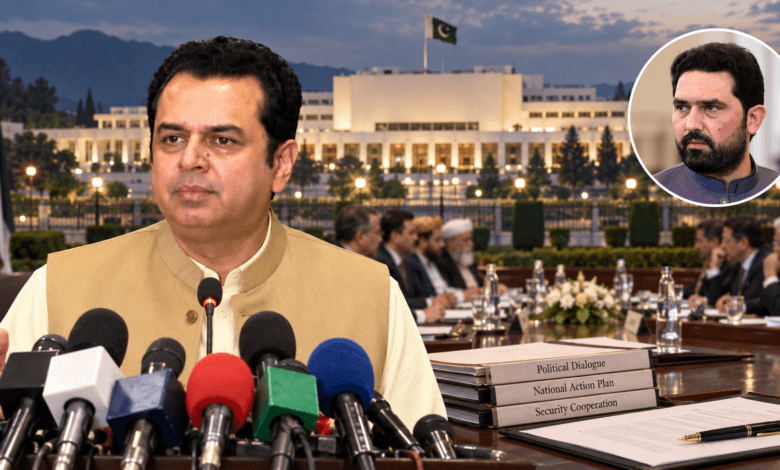
ISLAMABAD: Minister of State for Interior Talal Chaudhry on Tuesday blamed last-minute conditions from Khyber Pakhtunkhwa Chief Minister Sohail Afridi for the collapse of negotiations between the federal government and opposition, saying the dialogue had moved close to a wider political settlement before disagreements over security policy brought the process to an end.
Government Says Talks Made Significant Progress
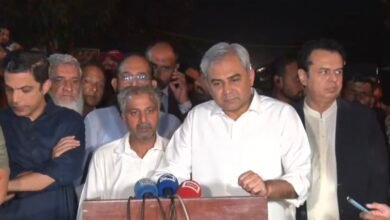
Addressing a press conference in Islamabad, Chaudhry accused the opposition of withholding key details while attempting to place responsibility for the failed negotiations on the federal government. He said substantial progress had been made during the talks and claimed the discussions could potentially have opened the way for what he described as a “Charter of Democracy II.” His remarks came as both the government and PTI continued to give sharply different accounts of why the talks failed.
The negotiations were held at Parliament House under National Assembly Speaker Sardar Ayaz Sadiq, with Interior Minister Mohsin Naqvi, Talal Chaudhry, Rana Sanaullah and other government representatives participating alongside PPP members and an opposition delegation including Barrister Gohar Khan, Asad Qaiser, Salman Akram Raja and Raja Nasir Abbas.
Chaudhry said discussions initially focused on the security situation in Khyber Pakhtunkhwa and the implementation of the National Action Plan. According to him, the government side raised concerns about what it viewed as insufficient provincial cooperation with the national counterterrorism framework.
He maintained that the opposition negotiating team had initially indicated it possessed full authority to make decisions, but government representatives later requested that the KP chief minister also be involved because several proposed commitments required implementation by the provincial administration.
Chaudhry said opposition representatives subsequently consulted the provincial leadership and that differences emerged in the closing stages of the talks. He claimed changes sought at that stage prevented completion of an agreement that had already gone through several mutually negotiated revisions.
Security Framework at Centre of Dispute
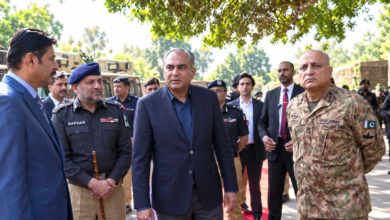
Interior Minister Mohsin Naqvi has separately made a similar allegation, saying the KP administration had initially consented to a written framework covering issues including National Action Plan implementation, police reforms, security cooperation and measures against militant groups before withdrawing its support.
According to Chaudhry, political matters had also moved significantly forward. He said discussions covered issues concerning PTI founder Imran Khan, including his health, meetings and pending legal matters, and claimed consensus had been reached on several important points.
Independent reporting on the negotiations indicates that proposals concerning meetings with Khan, access to lawyers and family members and the handling of pending cases were among the subjects discussed before negotiations broke down.
Chaudhry said Interior Minister Naqvi had also travelled to Lahore and briefed Prime Minister Shehbaz Sharif on developments surrounding the negotiations. He argued that the government was prepared to provide political space in pursuit of a wider consensus but would not compromise on issues it considered fundamental to national security.
The state minister said political victories or losses were secondary to the safety of the country and its citizens. Referring to casualties among security personnel, he said attending funerals of personnel who lose their lives in the line of duty remained one of the most painful aspects of the continuing security challenge.
Chaudhry also rejected the suggestion that the National Action Plan was directed against any particular province or community. He questioned opposition objections to certain security measures and criticised resistance to the use of modern surveillance and aerial technology by security agencies.
PTI Rejects Government’s Version
PTI, however, has publicly rejected the government’s version of events.
The party says the principal political obstacle was the government’s refusal to guarantee access to Imran Khan for consultation. PTI Secretary General Salman Akram Raja has also maintained that the dispute over Khyber Pakhtunkhwa was not about rejecting action against militancy but about whether the federal government could undertake major security operations and other measures without meaningful provincial consultation.
Raja said PTI favoured a jointly prepared federal-provincial security strategy and supported “zero tolerance” toward militant organisations, while opposing a framework that, according to the party, could allow unilateral operations, displacement or drone strikes without provincial agreement. He also rejected allegations that PTI’s position benefited militant organisations, calling such assertions contrary to facts.
The competing accounts underline how security policy became intertwined with the broader political negotiations. Government representatives maintain the talks failed when the KP administration withdrew from previously discussed security commitments, while PTI argues that the Centre demanded unconditional provincial support instead of developing a consensus-based strategy.
The breakdown has taken on added significance because the talks were intended to reduce political tensions surrounding PTI’s mobilisation toward Islamabad. The failure of the dialogue has left both the political dispute and the disagreement over counterterrorism coordination unresolved.