KP CM Sohail Afridi Announces September 27 Protest, Warns of Islamabad Sit-In
Khyber Pakhtunkhwa Chief Minister says PTI will mobilise supporters across Pakistan on September 27 and threatens protest action in Islamabad if meetings with imprisoned party founder Imran Khan continue to be denied.

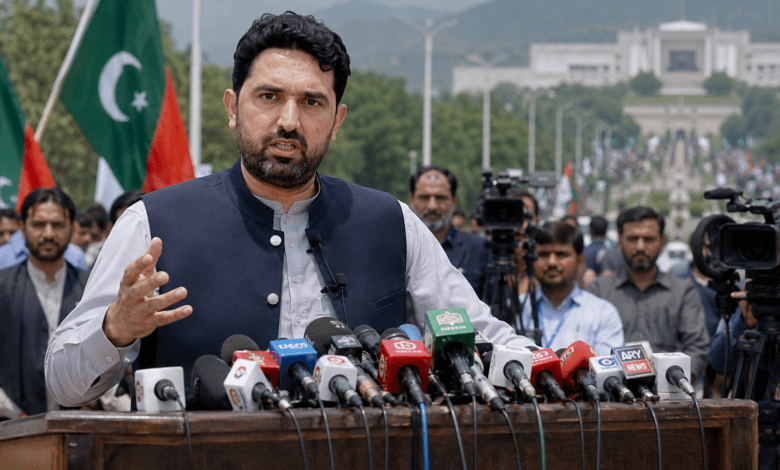
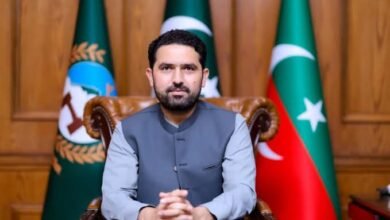
ISLAMABAD: Khyber Pakhtunkhwa Chief Minister Muhammad Sohail Afridi on Monday escalated the Pakistan Tehreek-e-Insaf’s political pressure campaign, announcing preparations for a nationwide mobilisation on September 27 while warning of protest action in Islamabad over restrictions on meetings with imprisoned PTI founder and former prime minister Imran Khan.
PTI Prepares for September 27 Mobilisation
Addressing a press conference in Islamabad, Afridi said the party had been left with “no option but resistance” against what he described as a “fake government”. The description reflects Afridi and PTI’s political position and is not an independently established characterisation of the federal government.
Afridi said preparations would be undertaken across all provinces for September 27 and that a schedule of political activities leading up to the planned mobilisation had already been prepared. He maintained that the date would not be moved forward or postponed.
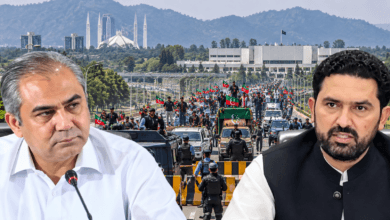
His remarks follow his earlier announcement of a September 27 long march towards Islamabad. Recent reporting confirms that Afridi announced the planned march earlier this month, although questions have emerged within PTI over how widely the decision was discussed before being made public. PTI Central Information Secretary Sheikh Waqas Akram was reported on August 10 as saying the central party leadership had not been taken into confidence before the announcement, while KP Information Minister Shafi Jan maintained that the decision had been made through consultation with the party and its allies.
Access to Imran Khan
A central focus of Afridi’s Islamabad press conference was access to Imran Khan. He complained that requests for meetings with the PTI founder were not being adequately heard and said Khan’s family was non-political. He further claimed that Khan’s family and lawyers were prepared to guarantee that they would not hold a press conference following a meeting.
Afridi also expressed concern about Khan’s health, saying the party wanted him to receive medical treatment and did not want any harm to come to him. His statements regarding Khan’s present health condition are political claims made at the press conference and should be treated as such unless independently confirmed through authorised medical or official sources.
The dispute over access to Khan is longstanding. Afridi has previously staged protest action after being denied a meeting with the former prime minister and has approached the courts over the issue. In November 2025, he held an overnight sit-in after being denied a meeting and subsequently said he would approach the Islamabad High Court.
Warning of Further Protest in Islamabad
Afridi warned that if a meeting was not facilitated, he and his supporters could stage a sit-in outside the Supreme Court. He further said that if the meeting was not arranged by Thursday, protesters would gather at 10pm and turn the relevant Islamabad square into “D-Chowk”, signalling another potential confrontation in the federal capital.
The chief minister repeatedly sought to frame the planned September 27 mobilisation around Pakistan’s youth, claiming young people were increasingly frustrated about their future. He argued that the treatment of a former prime minister was influencing how younger Pakistanis viewed their own political and economic prospects.
Afridi also made broader political and economic assertions during the press conference, including claims about Iran and Afghanistan, and argued that Imran Khan was capable of fixing Pakistan’s economy. Such comments represent the chief minister’s political assessment rather than independently established economic conclusions.
Afridi has served as chief minister of Khyber Pakhtunkhwa since October 2025. The provincial government’s official website identifies him as the province’s 19th chief minister.
The September 27 announcement is expected to keep Islamabad at the centre of PTI’s political strategy in the coming weeks, particularly as the party presses for access to its imprisoned founder and prepares a series of mobilisation events ahead of the announced protest date.