Pakistan’s Foreign Policy Must Prioritise Economy, Stability: Experts at Bahria University
Senior diplomats, security experts, and academics at Bahria University Islamabad stressed that institutional strength, economic resilience, and pragmatic diplomacy are key to advancing Pakistan's foreign policy objectives amid evolving regional and global challenges.

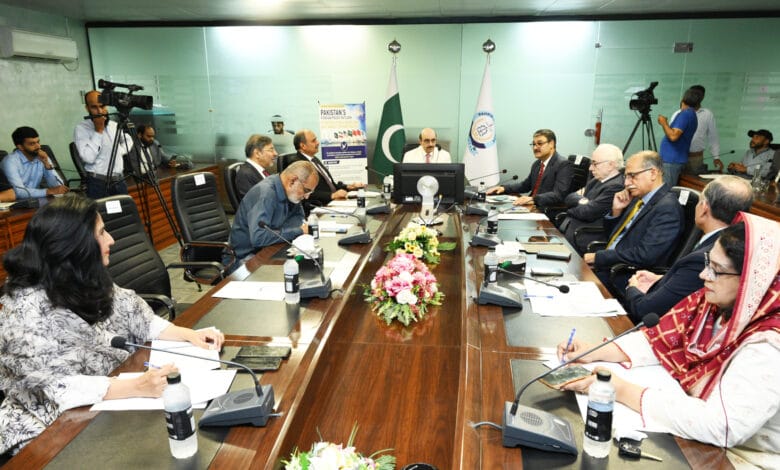
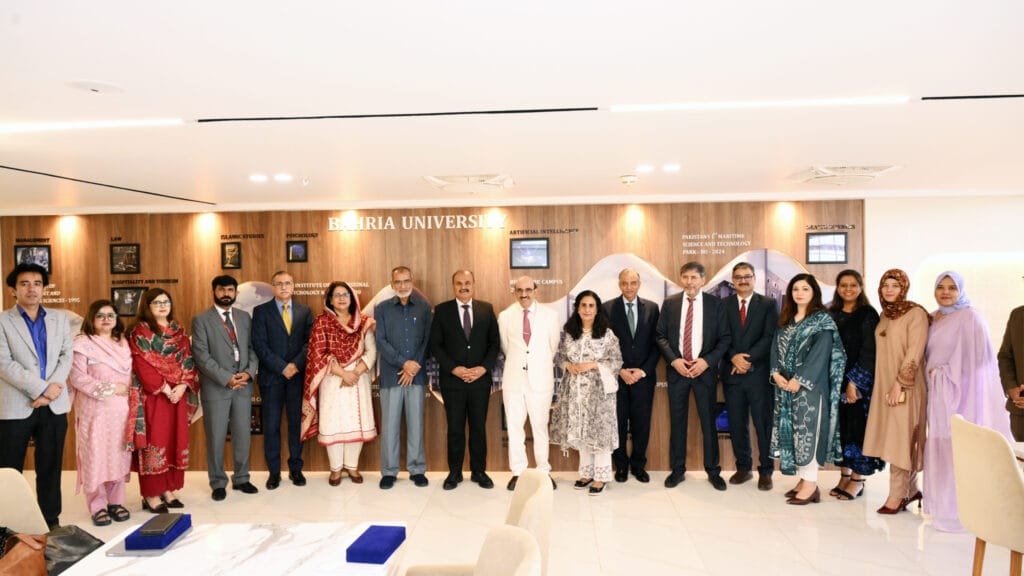
ISLAMABAD: Leading diplomats, policymakers, security practitioners, and academics on Saturday underscored the need for a pragmatic, economy-driven foreign policy as Bahria University Islamabad hosted a high-level roundtable discussion on “Pakistan’s Foreign Policy Outlook: Strategic Challenges and Diplomatic Opportunities.”
Organised by the Department of International Relations, the discussion examined Pakistan’s evolving foreign policy priorities against the backdrop of shifting geopolitical dynamics, regional security developments, and global economic challenges.
The participants agreed that strengthening domestic institutions, improving economic resilience, and pursuing a balanced and practical diplomatic approach are essential to protecting Pakistan’s national interests and enhancing its international standing.
Participants’ Views
Former Foreign Secretary Ambassador Aizaz Ahmad Chaudhry reviewed Pakistan-US relations and highlighted Pakistan’s diplomatic engagement during the US-Iran conflict.
Ambassador Masood Khalid emphasised expanding Pakistan-China cooperation beyond the China-Pakistan Economic Corridor (CPEC) through broader economic collaboration.
Ambassador Naila Chohan stressed the growing importance of cultural diplomacy and soft power in presenting a positive image of Pakistan to the international community.
National Coordinator of NACTA Jawad Ahmad Dogar said internal stability and constructive relations with neighbouring countries remain fundamental to an effective foreign policy.
Former President of Azad Jammu and Kashmir Ambassador Masood Khan advocated a practical, results-oriented approach to implementing foreign policy objectives.
Professor Amna Mahmood called for a people-centred policy framework to address both internal and external security challenges, while Institute of Policy Studies (IPS) Chairman Khalid Rahman emphasised improved governance, efficient resource management, and inclusive development to strengthen Pakistan’s global position.
Participants’ Consensus
The participants concluded that Pakistan’s recent diplomatic achievements should be converted into long-term economic and strategic gains through coherent policymaking, stronger institutions, and proactive diplomatic engagement.